
Behind the Scenes: The Art of Event Production with Carrie
By Zoe Okonkwo · · 4 min read
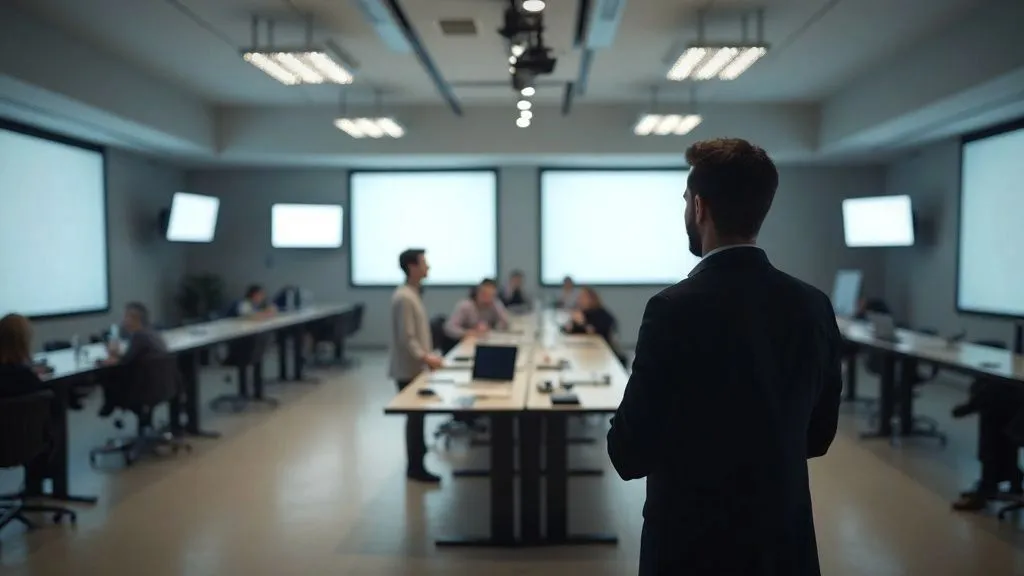
Event production is a multifaceted process that blends creativity, logistics, and technology to create unforgettable experiences. At the heart of this dynamic field, professionals like Carrie play an instrumental role in ensuring that every detail aligns perfectly. In this article, we will explore the intricacies of event production, the challenges faced, and the innovative solutions that Carrie and her team bring to the table.
Understanding Event Production
Event production is not just about throwing a party or gathering; it’s a comprehensive process that encompasses planning, designing, and executing events of all kinds. From corporate meetings and weddings to concerts and festivals, event producers coordinate every aspect of an event to ensure its success.
Carrie, an experienced event producer, emphasizes the importance of understanding the client’s vision. “Every event is unique,” she explains. “Our job is to translate that vision into reality while considering the budget, venue, and audience.”
Key Components of Event Production
-
Planning and Budgeting
The first step in event production is meticulous planning. This involves setting a budget, defining goals, and creating a timeline. Carrie highlights the significance of a realistic budget: “Knowing what you can afford helps narrow down choices and prevents overspending.” -
Venue Selection
Choosing the right venue is crucial. The venue must align with the event’s theme and accommodate the expected number of guests. Carrie often stresses that the venue can set the tone for the entire event. -
Design and Theme Development
Creative design is where artistry comes into play. Event producers like Carrie collaborate with designers to develop a cohesive theme that resonates with the audience. This can include everything from the decor and lighting to the overall ambiance. -
Vendor Coordination
Event production relies heavily on collaboration with various vendors, including caterers, audio-visual teams, and entertainment providers. Carrie notes that strong relationships with reliable vendors can make or break an event. -
Logistics and Execution
The execution phase is where all the planning comes together. This involves coordinating timelines, managing on-site staff, and ensuring everything runs smoothly from start to finish.
The Challenges of Event Production
Despite the excitement of event production, it comes with its own set of challenges. Carrie outlines some common hurdles that event producers face.
Budget Constraints
One of the most significant challenges is working within budget constraints. Unexpected expenses can arise, and Carrie emphasizes the need for flexibility. “You have to be prepared to make adjustments without compromising the quality of the event,” she advises.
Time Management
Time is of the essence in event production. With numerous moving parts, meeting deadlines is critical. Carrie shares, “Effective time management is key. We create detailed schedules to keep everyone on track.”
Client Expectations
Balancing client expectations with logistical realities can be tricky. Carrie often encounters clients who have grand ideas but limited budgets. “We aim to manage expectations while still delivering a memorable experience,” she explains.
Innovations in Event Production
The landscape of event production is continually evolving, with new technologies and trends shaping the industry. Carrie is passionate about incorporating innovation into her work.
Technology Integration
One significant trend is the integration of technology. From virtual events to live streaming, technology has transformed how events are produced and experienced. Carrie notes, “Adapting to new technologies allows us to reach wider audiences and create immersive experiences.”
Sustainable Practices
Sustainability is becoming increasingly important in event production. Many clients are looking for eco-friendly options, which challenge producers to rethink traditional practices. Carrie is proud to implement sustainable practices, such as reducing waste and sourcing local materials.
Personalization
Personalized experiences are in demand. Clients want their events to reflect their unique brand and style. Carrie’s approach includes customizing every detail to ensure the event feels personal and engaging. “It’s about making each guest feel valued,” she adds.
Case Studies: Successful Events
To illustrate her expertise, Carrie shares a couple of case studies of successful events she has produced.
Corporate Gala
For a recent corporate gala, Carrie worked closely with a tech company launching a new product. The challenge was to create an engaging atmosphere that highlighted the innovation of the product. Carrie coordinated with a high-end catering service, designed futuristic decor, and arranged for interactive displays that allowed guests to experience the product firsthand. The event received rave reviews and resulted in significant media coverage.
Outdoor Festival
Another project involved organizing an outdoor music festival. Carrie faced challenges such as weather unpredictability and crowd management. She implemented strategic planning measures, including contingency plans for inclement weather and a detailed layout for crowd flow. The festival was a huge success, drawing thousands of attendees and creating a vibrant community atmosphere.
The Future of Event Production
As the event production landscape continues to change, Carrie remains optimistic and forward-thinking. “The future is bright, and I’m excited about what’s to come,” she says. With the rise of hybrid events, advancements in technology, and a focus on sustainability, Carrie believes that the industry will find new ways to innovate and engage with audiences.
Conclusion
Event production is a complex yet rewarding field that requires a blend of creativity, organization, and adaptability. Professionals like Carrie are at the forefront, navigating challenges while transforming visions into reality. By understanding the intricacies of event production and embracing innovation, Carrie and her team continue to create memorable experiences that resonate with audiences long after the event has ended. As they look to the future, the possibilities are endless, promising exciting developments in this dynamic industry.