
The Essential Guide to Kids' Flotation Devices for Safe Water Fun
By Zoe Okonkwo · · 4 min read
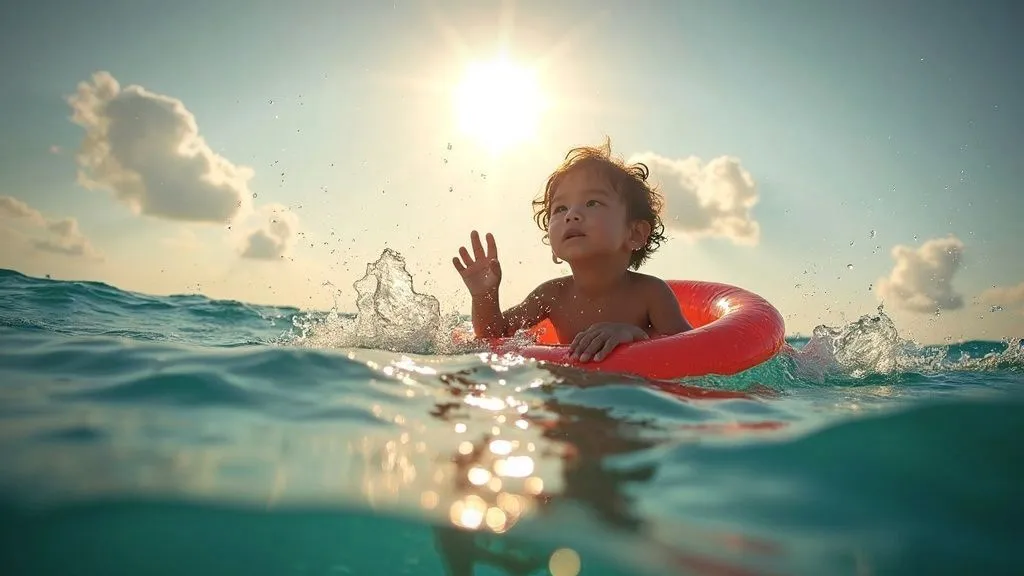
When planning an event that involves water activities for children, ensuring their safety is paramount. Kids’ flotation devices, commonly known as floaties, play a crucial role in safeguarding young swimmers while allowing them to enjoy their aquatic adventures. This guide aims to provide insights into the various types of flotation devices, safety considerations, and tips for choosing the right equipment for your event.
Understanding Flotation Devices
Flotation devices come in various forms, ranging from simple inflatable arm bands to complex life jackets designed for swimming. Each type serves a specific purpose and is suitable for different ages and swimming abilities.
Types of Flotation Devices
-
Arm Bands: These are inflatable tubes that are worn around the upper arms. While they can provide some buoyancy, they are not typically recommended as the sole flotation device for younger children. They can slip off easily and may not offer adequate support for inexperienced swimmers.
-
Swim Rings: Often shaped like donuts, swim rings are popular among toddlers. They allow children to stay afloat while enjoying the water. However, they can also tip over, so supervision is essential.
-
Life Jackets: Life jackets are designed to keep a child’s head above water. They are the safest option for children who are not confident swimmers. Many life jackets come with a buoyancy rating, ensuring they are suitable for the child’s weight.
-
Floating Mats: These large, soft mats can provide a stable platform for kids to lounge on in the water. While they are fun and versatile, they should be complemented with other flotation devices for additional safety.
-
Inflatable Paddle Boards: For older kids with some swimming skills, inflatable paddle boards can offer a great way to navigate the water while also providing stability.
Safety Guidelines for Using Flotation Devices
While flotation devices enhance safety, they are not a substitute for adult supervision. Here are some guidelines to ensure a safe experience for children in the water:
-
Always Supervise: Children should never be left unattended while using flotation devices. An adult should be within arm’s reach at all times, even if the child appears to be safe.
-
Choose the Right Size: Flotation devices must fit properly. An oversized life jacket may not provide adequate support, while a too-small device could be ineffective.
-
Check for Wear and Tear: Before use, inspect all flotation devices for any signs of damage, such as punctures or leaks. A compromised device can be dangerous.
-
Know the Environment: Familiarize yourself with the water area where the event will take place. Ensure that there are no strong currents, deep drops, or other hazards nearby.
-
Educate Children: Teach kids the importance of using flotation devices correctly. Explain that even with floaties, they must follow water safety rules.
Selecting the Right Flotation Device for Your Event
When organizing an event involving water play, selecting the right flotation devices is crucial. Here are some factors to consider:
Age Appropriateness
Consider the age of the children who will be participating. Younger children may require more supportive devices like life jackets, while older kids might enjoy more freedom with swim rings or inflatable boards.
Swimming Ability
Assess the swimming ability of the participants. If the group includes a mix of confident swimmers and beginners, it’s best to provide a range of options to ensure everyone’s safety.
Event Type
The nature of your event will also influence your selection. For instance, if you’re organizing a pool party, swim rings and inflatable mats could be ideal. If it’s a beach event, ensure life jackets are available due to potential waves and currents.
Comfort and Fun Factor
Kids are more likely to wear flotation devices that they find comfortable and fun. Look for bright colors and appealing designs that may make the devices more attractive to young swimmers.
Maintenance and Storage of Flotation Devices
Proper maintenance and storage of flotation devices can ensure their longevity and safety. Here are some tips on how to care for them:
Cleaning
After use, rinse floaties with fresh water to remove chlorine or salt, which can degrade materials over time. Allow them to dry completely before storing them to prevent mildew.
Storage
Store flotation devices in a cool, dry place away from direct sunlight, which can cause fading or material degradation. Proper storage will extend the life of these safety items.
Check Regularly
Conduct regular checks on all flotation devices, especially before aquatic events. Look for any signs of wear and tear and replace any damaged equipment immediately.
Conclusion
Choosing the right flotation devices for children is essential for any event involving water activities. Floaties can provide added safety and fun, but they should never replace proper supervision and safety practices. By understanding the types of flotation devices available, adhering to safety guidelines, and selecting suitable options for your audience, you can create a safe and enjoyable experience for young swimmers.
For more detailed information on water safety and flotation devices, you can refer to the Centers for Disease Control and Prevention (CDC) and National Safe Boating Council. Ensuring the safety of children in water can lead to unforgettable memories of joy and laughter at your events.