
Mastering Event Production: A Beginner's Guide to Flawless Execution
By Zoe Okonkwo · · 5 min read
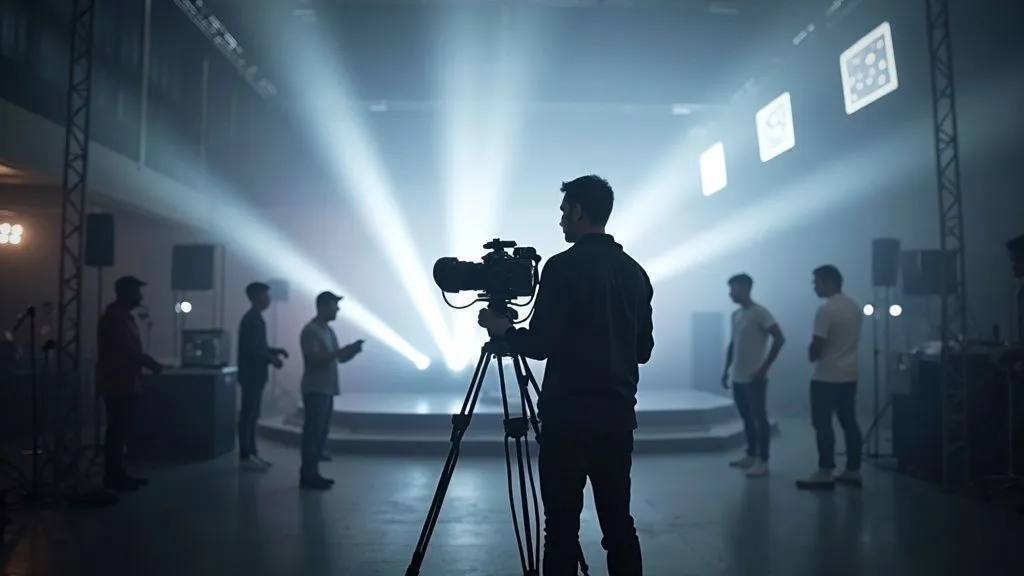
Embarking on a journey into event production can be both thrilling and overwhelming. From corporate conferences to lavish weddings, the range of events is vast, each requiring meticulous planning and execution. This guide will help you navigate the complexities of event production, providing insights into processes, tools, and strategies that can turn your vision into reality.
Understanding Event Production
Event production involves the comprehensive planning, coordination, and execution of events. It encompasses various aspects, including logistics, budgeting, vendor management, and post-event analysis. Effective event production is about creating a seamless experience for attendees while ensuring that all objectives are met within the specified budget and timeframe.
Key Components of Event Production
To effectively manage event production, it’s crucial to break it down into its key components:
-
Concept Development: This is the foundational stage where the event’s purpose and message are defined. Understanding your audience and objectives guides the entire planning process.
-
Budgeting: Establishing a budget is vital. Specific data often shows that 20-30% of event budgets are typically consumed by venue costs alone.
-
Venue Selection: The right venue sets the tone for your event. Factors to consider include location, capacity, accessibility, and amenities.
-
Vendor Management: Engaging the right vendors for catering, audiovisual, entertainment, and décor is crucial. Building a reliable vendor list can enhance the quality of your event.
-
Marketing and Promotion: Effective marketing strategies are essential for driving attendance. Utilize social media, email campaigns, and partnerships to promote your event.
-
Execution: This phase involves logistics coordination, from setup to event management and teardown. Each detail should be meticulously planned to ensure smooth operations.
-
Post-Event Evaluation: Analyze what worked well and areas for improvement after the event concludes. Gathering feedback can provide valuable insights for future events.
Data-Driven Decisions in Event Production
Using data to inform your event production decisions can greatly enhance the outcome. According to a recent survey, 73% of event professionals believe that data-driven insights improve attendee engagement, while 65% noted that it helps in budgeting accuracy.
Gathering Data for Event Success
-
Surveys and Feedback Forms: Collecting pre-and post-event feedback can help identify attendee needs and desires. Consider utilizing tools that simplify data collection, improving response rates.
-
Social Media Analytics: Monitor engagement on social platforms. Measuring likes, shares, and comments can provide insights into what content resonates with your audience.
-
Attendance Tracking: Use technology for registration and attendance tracking. This data helps gauge interest and can inform future event planning.
Implementing Analytics Tools
Consider investing in event management software that offers analytics capabilities. Platforms like Eventbrite or Cvent provide comprehensive insights that can enhance your event production efforts.
Planning an Event: Step-by-Step Guide
Step 1: Define Your Goals
Start with a clear understanding of the event’s purpose. Are you aiming to educate, entertain, or network? Your goals will influence every decision that follows.
Step 2: Assemble Your Team
Building a capable team is essential. Identify team members based on skills and experience. Effective collaboration can lead to innovative ideas and solutions.
Step 3: Create a Timeline
Develop a detailed timeline outlining every stage of the event production. Consider utilizing project management tools like Trello or Asana to keep track of tasks and deadlines.
- 6 months out: Concept development and budget creation.
- 4 months out: Venue booking and vendor selection.
- 2 months out: Marketing launch and registration.
- 1 week out: Final checks and rehearsals.
Step 4: Budget Wisely
The budget can make or break your event. Consider every possible expense, including:
- Venue costs
- Catering
- Entertainment
- Marketing
- Personnel
In fact, a well-planned budget can prevent overages by up to 25%.
Step 5: Secure the Venue
Choose a venue that aligns with your event’s theme and audience. Factors like location and amenities can significantly affect attendee experience. Research potential venues and arrange site visits.
Step 6: Engage Vendors
Create a list of vendors you need and start engaging with them early. Compare quotes, check references, and look for vendors with experience in your event type.
Step 7: Develop a Marketing Plan
Your marketing strategy should align with your target audience. Establish a marketing mix that may include social media, email marketing, and direct outreach.
- 70% of marketers use social media to promote events.
- 50% of attendees say email marketing is the most effective way for them to learn about events.
Step 8: Execute the Event
On the event day, communication and coordination are key. Ensure all team members know their roles and responsibilities. Utilize a checklist to ensure nothing is overlooked.
Step 9: Post-Event Analysis
After the event, collect all data for analysis. Assess attendance, engagement, and feedback to understand the event’s success level and identify areas for improvement.
Creating Memorable Experiences
In today’s competitive environment, creating memorable experiences is essential. This goes beyond logistics and delves into emotional engagement.
Elements of Engagement
-
Interactivity: Incorporate interactive elements like Q&A sessions, live polls, or workshops.
-
Unique Themes: A creative theme can elevate the event experience. Consider how the theme aligns with your attendees’ interests.
-
Technology Integration: Utilize technology to enhance experiences. Live streaming, augmented reality, and event apps can create more engaging environments.
The Role of Sustainability in Event Production
Sustainability continues to gain traction in event production. Research shows that 83% of event planners believe sustainable practices enhance their organization’s reputation.
Key Sustainable Practices
-
Eco-Friendly Venues: Opt for venues that prioritize sustainability. Look for certifications or initiatives that demonstrate their commitment.
-
Digital Materials: Reduce paper usage by providing digital tickets, schedules, and materials. Attendees often appreciate the convenience.
-
Local Vendors: Sourcing food and materials locally not only reduces carbon footprints but also supports local economies.
-
Waste Management: Implement recycling and waste reduction strategies during the event.
Expert Perspectives on Event Production Trends
Industry experts emphasize the significance of adaptability in event production. According to a recent report, 78% of event professionals believe that the ability to pivot quickly is vital in today’s landscape.
Key Trends to Watch
-
Hybrid Events: The blend of in-person and virtual experiences is here to stay. Hybrid events allow greater reach and cater to diverse audiences.
-
Personalization: Tailoring experiences based on attendee preferences enhances engagement. Using data to customize content can lead to better outcomes.
-
Health & Safety Protocols: Post-pandemic, health safety is a priority. Implementing effective protocols builds trust among attendees.
-
Sponsorship Evolution: Creative sponsorships that align with attendees’ interests are becoming more critical. Unique partnerships can enhance event engagement.
Conclusion
Event production is a multifaceted field that requires creativity, attention to detail, and effective data utilization. By following a structured approach and leveraging expert insights, you can create memorable and successful events. As the landscape continues to evolve, staying informed about trends and best practices will keep you ahead of the curve.
Embrace the challenges, engage your audience, and watch your event production journey flourish.