
Mastering Event Production: Essential Tips and Tricks
By Zoe Okonkwo · · 5 min read
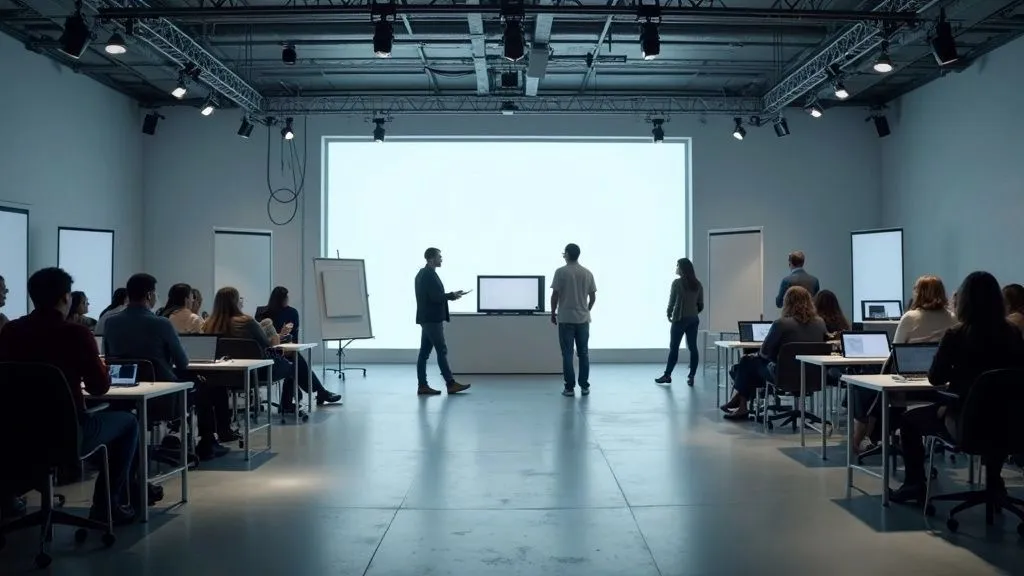
Event production involves meticulous planning, creativity, and an eye for detail. Successful events don’t just happen; they are meticulously crafted through a combination of strategy, teamwork, and innovation. This article dives deep into effective event production tips that can elevate any gathering, be it a corporate meeting, a festival, or a wedding. We’ll explore data-backed insights, expert suggestions, and actionable steps to create memorable experiences.
Understanding the Landscape of Event Production
The event production industry is vast and multifaceted. According to the Events Industry Council, the U.S. alone contributes over $1 trillion to the economy through meetings and events annually. Understanding this landscape can influence your approach to planning and executing successful events.
Key Trends Influencing Event Production
- Sustainability: An increasing focus on eco-friendly practices is shaping how events are planned. Data shows that 76% of event attendees prefer sustainable events.
- Hybrid Events: The pandemic has accelerated the trend towards hybrid formats, combining in-person and virtual participation. In 2022, 58% of event organizers planned to include a virtual component.
- Technology Integration: From registration platforms to virtual reality experiences, technology is remapping the event scene. A survey indicated that 75% of planners believe tech tools improve event experiences.
Pre-Production: Planning for Success
The pre-production phase is crucial for setting the stage for a successful event. Here are some vital event production tips that can help streamline this process.
1. Define Clear Objectives
What is the purpose of your event? Understanding your goals will guide every decision, from the venue to the speakers. Whether it’s raising awareness, generating leads, or community engagement, here’s how to define objectives:
- SMART Goals: Ensure your objectives are Specific, Measurable, Achievable, Relevant, and Time-bound.
- Audience Analysis: Identify who will attend and tailor the event to their needs. For example, a corporate workshop may require a different approach than a networking event.
2. Create a Detailed Budget
An effective budget is the backbone of any successful event. According to a recent study by Eventbrite, mismanaged budgets account for 30% of event failures. Here’s a strategy to create one:
- Categorize Expenses: Divide your budget into categories such as venue, catering, technology, marketing, and staffing.
- Contingency Fund: Allocate 10-15% of your total budget for unexpected costs that may arise.
3. Assemble a Strong Team
A collaborative and skilled team can make or break your event. Consider the following roles essential for successful execution:
- Event Manager: Overall project leader and point of contact.
- Logistics Coordinator: Handles venue, catering, and all physical setups.
- Marketing Specialist: Promotes the event and engages potential attendees.
4. Choose the Right Venue
Your venue sets the tone and atmosphere of your event. Factors to consider include:
- Location: Ensure it’s accessible for your target audience. A survey by Statista showed that 65% of attendees prioritize location when selecting events.
- Capacity: Choose a venue that comfortably accommodates your expected guests.
- Ambiance and Facilities: Analyze whether the venue aligns with your event theme and if it has the necessary facilities, such as AV equipment and Wi-Fi.
5. Event Timeline and Checklist
Creating a timeline and checklist is vital for ensuring everything is on track. Start with broad milestones and break them down into:
- Pre-event tasks: Promote the event, send invitations, and finalize vendors.
- Day-of tasks: Set up the venue, check-in attendees, and manage the schedule.
- Post-event tasks: Follow up with attendees, gather feedback, and settle any outstanding payments.
Production Phase: Making the Event Happen
Once the groundwork is laid, the production phase entails executing the plan effectively. This is when your event production tips come into action.
1. Coordination and Communication
Efficient communication is key during the event day. Here’s why:
- Team Briefings: Conduct briefings to ensure everyone understands their roles and responsibilities.
- Central Communication Point: Use tools like walkie-talkies or messaging apps to facilitate quick updates among the team.
2. Technology Management
Embracing technology can enhance the event experience significantly.
- Registration Platforms: Utilize tools for seamless check-in processes. A study revealed that 67% of attendees prefer digital ticketing.
- Live Streaming: For hybrid events, invest in high-quality streaming solutions to engage remote participants effectively.
3. Attendee Engagement
Creating an engaging atmosphere can significantly elevate the attendee experience. Consider the following strategies:
- Interactive Activities: Include sessions that involve audience participation, such as Q&As or live polls. Research by Event Marketer shows that 80% of attendees appreciate interactive content.
- Networking Opportunities: Integrate networking sessions in the event schedule to foster connections.
4. Catering and Refreshments
Food and beverage options can have a significant impact on guest satisfaction.
- Dietary Preferences: Survey attendees before the event to accommodate dietary restrictions. A recent survey showed that 49% of attendees consider food quality a critical factor.
- Refreshments Timing: Schedule refreshments during natural breaks to keep attendees energized without disrupting the flow.
5. Logistics on Event Day
On the day of the event, logistics can be a challenging aspect. Here are tips to manage them effectively:
- Setup Check: Conduct a final walkthrough of the venue to ensure everything is in place and functioning.
- Staff Assignments: Ensure every team member knows their station and tasks, leaving no room for confusion.
Post-Production: Evaluating Success
The final phase of event production is often overlooked but is crucial for future improvement. Implementing these event production tips can lead to valuable insights.
1. Gather Feedback
Post-event feedback is essential for understanding what worked and what didn’t.
- Surveys: Distribute surveys to attendees and team members to gather insights. Aim for a response rate of 20-30%.
- Social Media Monitoring: Analyze social media mentions and comments for real-time feedback.
2. Analyze Performance Metrics
Utilizing metrics enables you to gauge the event’s success.
- Attendance Rates: Compare actual attendance against your target.
- Engagement Levels: Use session attendance and audience participation metrics to assess engagement.
3. Financial Review
Once the dust settles, it’s time to review your financials.
- Final Budget Report: Compare the actual expenses against your budget.
- ROI Calculation: Measure the return on investment by evaluating the outcomes against costs.
4. Document Learnings
Capturing lessons learned can greatly benefit future events.
- Post-Mortem Meeting: Hold a meeting with your team to discuss what went well and what could improve.
- Create a Playbook: Compile your findings into a guide for future reference.
Conclusion: Continuously Improving Your Event Production Skills
Fostering a mindset of continuous improvement is essential in the evolving field of event production. By applying these event production tips, you can enhance your skills and deliver events that resonate with attendees. Remember, every event is an opportunity to learn, adapt, and innovate. By meticulously planning, executing, and reviewing, you position yourself to create impactful experiences that leave lasting impressions. Whether it’s through the use of technology, effective budgeting, or cultivating attendee engagement, each step taken contributes to the overall success of your events.